Sunday, June 16, 2013

Summer Foods, Summer Health


Summer Time and the feelin' is easy, so goes the song. While I basically like to eat all year long and every season provides something fantastic, there is something incredible about Summer foods! In Traditional Chinese Medicine, Summer is the season of the Heart and Small Intestine. Odd combo? Actually not, because the number one thing you can do to help your heart is to eat well, and the Small Intestine is what absorbs the nutrients of your food directly into the blood stream.

What are foods that help the heart and small intestines? The taste that nourishes is Bitter, and the foods that help these organs are fermented foods high in Acidophilus and lactobacillus (I will throw a Bulgaricus in there for good measure, those Bulgarians have the best fermentation microbes ever) And for you who want to know exactly what this Bulgaricus looks like here you go:


Why do fermented foods help the small intestine? Villi, lots of them that absorb food, and when there is acidophilus and other probiotics, it happens in the right way, and our body recognizes food as food and not as something we need to fight. This comes from the Happy Bellies Website, definitely worth a look


For us science geeks, the small intestine villi are truly miraculous structures, the surface area these things have in a typical intestine would equal that of a tennis court. We take our bodies so for granted, and one way to nurture them is to eat good food. So, how do we eat to be in harmony with the season? Eat fresh foods that are at the farmers markets. The best way to get bitters into your diet is with dark leafy greens. Kale, collards, dandelion and others are high in Potassium, Calcium and Magnesium which are all good for the heart, and the bitters enhance digestion.


And cooling foods such as Tomatoes, Cucumbers, Melons and such. Hawthorne Berry is a delicious fruit that people have growing in their yards on the East Coast and Midwest of the US. We can also get them dried at many health food stores, and Gaia's Herbs has a great Solid Extract that makes yummy teas. 


Garlic is really good for the heart, it helps lower cholesterol and blood fats. And spicy peppers have lots of vitamin C and increase blood flow to the heart, they also help us sweat and cool us off. If you eat whole fresh food, avoiding all flour products, fried, processed and sugar, you will actually do more for your heart than any low fat cholesterol diet ever. Add sea salt moderately after you cook things, and use Olive oil, again after you have cooked to add flavor and good fats to your diet. Organic grass fed meats, poultry and eggs do not elevate cholesterol like the factory farmed grain fed ones. Seems as if God did not design animals to eat genetically modified corn, which raises the fat and cholesterol levels in the meats, hmmmmmm, now THAT is interesting! Of course a few servings a week of wild caught fish such as salmon, mackerel and trout will also benefit your heart. Eating this way is really delicious, and very easy to do in the Summer months!

A great way to get all the seasons bounty into one delicious dish is with cooling summer soups. 

Tarator

Tarator is a cold cucumber soup with origins in the Balkans, this soup is served throughout the warmer months. We always would serve this at Easter. 


This is how I make it, as with anything from the Balkans, there are as many variations on the theme as there are people, but I like it this way:

In a bowl or mortar and pestle, mash together until a think past is formed: 2 cloves of peeled and minced garlic, 1/2 cup chopped walnuts, 2 tbsp olive oil, 1 tsp Kosher or Sea Salt.

Peel, Seed and grate 1 large cucumber, more if you wish. Chop very finely fresh dill until you have about 1/2 cup. Dried dill just doesn't cut it sorry. Thinly slice 1/2 small red onion

Place all these ingredients into a large glass bowl, and mix in One 32 oz container of European Style Organic Yogurt (this is more fluid than other yogurts and makes a better soup) Strauss Creamery and Trader Joes are good brands.

Add salt and pepper to taste. Throw in a couple of ice cubes for good measure and drizzle with Olive Oil. Sprinkle with fresh dill and a few diced cucumbers for decoration. This soup gets better the longer it sits, I suggest making it the night before, and adjusting the taste the next day with salt and pepper.


The other Summer soup I like is Gazpacho 


Again there are many ways to make this, this is how I like to make it

Take 3 or 4 medium style heirloom tomatoes, slice and seed them. Peel, seed and slice 1 large cucumber, core, seed and slice a bell pepper, and chop 1/2 small red onion. Place all vegetables into a blender or food processor and add 32 ounces of organic vegetable cocktail or tomato juice,  I suggest any juice from a glass bottle, it tastes better. Add 2 cloves of garlic, the juice of one lemon, 1/4 cup olive oil, Tabasco sauce, salt and pepper to taste. blend until smooth. Ladle into dishes and top with chopped tomato, cucumber, onion and peppers. You can also add croutons on top and a dollop of sour cream or Greek yogurt and chopped cilantro if you wish. A fun twist is to use yellow tomatoes and peppers for a different color and taste,

I have both of these soups on hand for usually most of the Summer months, and often into the hot Autumns so typical in Southern California. Tarator and Gazpacho are filled with seasonal foods good for your heart and small intestines, they are cooling and delicious, and make refreshing al fresco suppers on the patio all summer long! Enjoy!

Wednesday, June 12, 2013

Sustainable Agriculture and the USA


The Farm Bill, which should have been passed last year, got sort of a punt earlier this year by several extensions. It was passed in the Senate and now goes onto In this age of anti-government and austerity, the Farm Bill is not as exciting as things such as war and homosexual marriage. But the Farm Bill is the only thing I personally think we should be worrying about, because more that most other issues, this is the ultimate pocket book issue.

The one thing that unites everyone is the fact that we must eat. To my knowledge, there are few mystics on the planet this day that can survive on air, so the rest of us really must eat. There are two things that affect food and agriculture policy in the US, policy and market forces. In no other area is this  more skewed than in the Farm Bill. Repeatedly, the American public asks to have their food labeled for GMO's, wants access to farm fresh produce, and yet powerful lobbies from big agricultural interests force policy against the will of the American People. Ultimately, we only have ourselves to blame, because only 47% of the public bothers to vote (and this is an increase actually). This puts politicians in an odd place of representing smaller and smaller pools of constituents, and in a constant state of fundraising. Because they spend almost half of each work day on fund raising, our representatives do the bidding of corporations who molest our democracy. But this happens because not enough people participate  in the process through voting. A certain party is trying to suppress minority voters in swing states, so we will see what happens in the next election.

The Farm Bill has several aspects in it which are good, and others that I think are bad. One aspect is funding to maintain wetlands, which are critical for water purification, and the preservation of our land.

2% of the American public raises food for the rest of the nation. The average age of Farmers in the United States is 62 years old. We need policies that help bring young people into farming, and to maintain our land for future generations. With the loss of farm land, and the declining numbers of farmers, big AG farms are taking over our landscapes. With larger farms, industrial practices are the only way to go, and the soil and water are damaged.

The only hope for the future in terms of food is Sustainable Agriculture. This type of Agriculture is based on the philosophy that to be sustainable, a project or endeavor must meet the needs of the present without damage to future generations.


There are great organizations working to help to reverse this trend. 

The National Sustainable Agricultural Coalition is a great resource for those of us who are on information overload. If you need good, simply stated information on the state of sustainable agriculture in the US, this is your site:  http://sustainableagriculture.net/

The Organic Farming Research Foundation is another great site for all things Organic

My personal favorite, Biodynamic Agriculture, which is starting to really take hold in the United States. As the grandfather of the organic movement, Biodynamic practices create healing for the land, and promote farming that is in harmony with the seasons and the ecosystem. https://www.biodynamics.com/

The debate is not over for the Farm Bill, we now need to focus our efforts on the House, so please call your representative and let them know you want a farm policy that will feed generations to come. The only way to do that is with Sustainable Agriculture. http://my2012district.com/

Besides calling and writing your Representative, the best thing you can do is support small family farms, Become a member of Community Supported Agriculture, shop farmers markets, ask your grocer to stock fresh local produce, buy local. If we combine our efforts in policy, and support sustainability with our dollars, this is how we can create a delicious future for our children.

Whats In Season Now? PEACHES!

"Life is better than death, I believe, 
mainly because it is less boring, 
and because it has fresh peaches in it."

                                                                    Alice Walker


Peaches are now in season at the Farmers Markets, and yes, 

they make life worth living.


Originally from China, this fruit made it's way through India, East Asia, and Persia. After Alexander the Great (One of the worlds most well known Macedonians) he had it cultivated throughout his Empire and the Romans maintained this delicious practice. The Spaniards brought Peaches to the New World in the 1500's and then the British brought the delightful fruit to the Virginia Colony in the 1600's, and the rest, they say is edible history.

There are several types of peaches, free stone and cling stone, white flesh and yellow flesh


Peaches and Nectarines are actually the same fruit, just the Peach has fuzzy skin and the Nectarine is smooth.

When buying Peaches, or anything made out of Peaches for that matter, it is really important to buy organic. Conventionally grown peaches always have the dubious honor of being nominated by the Environmental Working Group as part of the "Dirty Dozen" 


When you see what is on conventionally grown Peaches, you will never want to eat them again!


Good news is that when they are in season, Organically grown peaches actually taste a lot better, and Farmers Markets now are brimming with the juicy that are really fantastic all on their own. You can preserve the Summer bounty by making jams, canning your own peaches, or by freezing them. To freeze peaches, simply peel, stone and slice the peaches, place slices on a cookie sheet and freeze for several hours. When "done" (frozen through) simply put into a freezer proof bag or a freezer container. They are good for six months, and can be used in smoothies or to bake with.

Here are some of my favorite ways to eat Peaches


Peach Juice

When my family and I drove across Europe in an Audi, the Peach Juice we would get in Croatia and Serbia was out of this world, this is the closest I have ever tasted to that incredible treat:

Peel, stone and slice 6 medium to large ripe Peaches. Place in a blender or processor. Add 3 tbsp water, 2 tbsp honey, the juice of one lime and about 6 ice cubes. Blend until smooth. Pour into a pitcher and serve with mint or lemon balm sprigs.


Peach Salsa

5 medium Peaches, peeled and pitted. 2 large heirloom yellow tomatoes, cut into wedges and seeded. 1/2 medium red onion, cut into wedges, 1/2 cup fresh cilantro leaves, 2 garlic cloves, peeled and crushed, 1 large red or green Jalapeno pepper, stem and seeds removed. 4 tsp Apple Cider Vinegar, 1 tsp lime juice.  

Place all into a food processor and pulse quickly about 10 times to mix everything thoroughly but not make a puree. Add some olive oil, salt and pepper to taste. Serve with non-gmo corn chips, or with pulled pork tacos. This is also wonderful with grilled salmon.


Quick Peach Melba's

Peel, Stone and Slice VERY RIPE peaches, place three to four slices in a champagne glass (not the fluted kind, the wide kind) 

Place 1 cup fresh or frozen Raspberries into a blender, add 2 tbsp orange juice concentrate, 1/2 tsp vanilla extract and a dash of ginger powder. Puree until fully blended.

Take 1 cup low or non fat organic Greek yogurt, add 1/4 tsp cardamom, several drops of vanilla extract, and either 1 tbsp honey or 5 drops vanilla or almond flavored stevia sweetener, mix till fully blended.

To Assemble: put a dollop of the yogurt mixture on top of the peach slices, drizzle with the Raspberry sauce and enjoy! Best to assemble and eat immediately.


Grilled Peaches

Halve and remove stones from 2 firm peaches. Brush both sides with Almond Oil. Place on heated grill and cover grill, cook for 5 minutes per side. Serve warm with Ice Cream, Yogurt mixture from above recipe, with pork and game meats. An extra added kick it to sprinkle brown sugar on top!

So any way you slice them, Peaches are FANTASTIC, enjoy! They will be with us for a couple of months, but there is no time like the present to make the most of the season. To find fresh organic peaches near you check out Farmers Pal http://www.farmerspal.com/organic-farms/region/peach-county-georgia/page/1/ a directory of all organic farms in the US, just click on your state, I recommend looking at the Georgia offerings, really really fun!

Tuesday, June 11, 2013

Artisan Craft Spirits and the Law

It is such an interesting time in the world of food and legislation. In the midst of all the fighting over farm subsidies and food stamps, the death of nature through GMO's and Bee Colony Collapse and so on, we are in need of something with a bit more levity during these days of partisan gridlock. We await something to remind us of the true nature of our democracy. Craft wine, beer and spirit people are the quintessential go to group to make our lives taste and feel better, and they are helping to not only brighten our days, they are actually making legislative observation more enjoyable.

One of the gifts of the recent economic downturn, is a plethora of new craft food and drink businesses. While most Americans are familiar with boutique wineries and craft breweries, their cousins from the Artisanal Spirit sector are creating new and delicious products to meet our increasing thirst for cocktails.  

My favorite commercial during the last presidential election was of James Carville and his wife......... (now whats her name...... that Republican pundit...... Mildred, Maud, some last name different from her husband..... sorry, the name escapes me) promoting the Cocktail Party. 


While the US Congress boasts a Wine Caucus, I think we need to start a Cocktail Caucus, at least people would be more civil and friendly in the halls of power. Who knows, more work might be accomplished under the influence of incredible organic spirits enhanced with hand crafted bitters.

Well who knew California would lag behind the nation in one of the hottest trends in the foodie scene? It does, mainly in the arena of allowing Craft Distilleries the right to let their customers taste their products in show rooms of their Distilleries, and to sell directly to the public. In order to promote their product, and do what any other food and drink purveyors do in the Sunshine State, a group of Craft Distillers banded together to form the California Artisanal Distillers Guild.


The Guild came together to educate the public and promote the marketing of their industry. The major stumbling block these Craft Distillers are facing is the California Prohibition (I never thought I would use those two words in the same sentence) on allowing Spirit Tasting Rooms and direct sales to the public from their production facilities. Under the guidance of Founding President Arthur Hartanian of Napa Valley Distillery, the Guild bill has been designed with the support of California Assembly Members Nancy Skinner (D-Oakland) and Isador Hall (D-Rancho Dominguez). The Guild brand name for AB 933 is, what else could it be: Taste California. 


At this time in the development of AB 933, Guild members are asking their customers to sign a petition and urge their California State Representatives to support the bill.

At first glance,  AB 933 just looks like delicious fun. But in our cash starved state that is just starting to see it's coffers fill so we have a deficit of only 4 billion instead of 15 billion, Taste California just makes.... forgive me.... pun coming.... cents. (OK now you can groan.) Across the state, and the nation for that matter, microbreweries and distilleries are actually being sought out by municipalities because they bring much needed revenue to their communities. Providing well paying jobs and tax revenues, while enhancing the local food scene creates economic benefit for all. Artisanal Distilleries are the closest thing to Alchemists that our modern world has to offer, and let me tell you, these people really live up to the name "Art" in Artisan. 


CADSP President Arthur Hartanian at his Napa Valley Distillery Vintage Bar Shop
 at the Oxbow Marketplace in Napa, California


I often joke with my fellow farmers and food purveyors; it is easier in terms of legislative restrictions to produce crack cocaine. The rules and regulations surrounding food can baffle the best and the brightest of lawyers, and confound those of us with well developed frontal cortexes. I personally think most of the legislation is put in place to price out the small producers. Thankfully, the California Lawmakers are waking up to the fact that when there are regulations that are small business friendly, those businesses thrive and put more money into the state. Small businesses in general and Artisanal Distilleries in particular,  do not pollute the land or oppress their workers like the big corporate employers in our state. In fact, many California Craft Distillers completely support sustainable practices, from their product to their buildings.

Napa Valley Distillery owner Arthur Hartanian has an award winning Meyer Lemon Liqueur. This liquid bliss is made with Organic Meyer Lemons. 


Hartanian has to brave winding mountain roads to get the gems that make is signature blend so unique. He also stills his Vodka from 100% Napa Valley Sauvignon Blanc (this grape is currently being nominated for a Slow Food International Ark of Taste USA product.) Hartanian takes local very seriously when it comes to his Spirits. The outcome is amazing, and knowing that such products enrich the local economy without destroying the land, makes people like me ecstatic.


Green Bar offers a full line of delicious organic spirits


The Green Bar Collective in Los Angeles is a model of sustainability when it comes to its products. Organic ingredients, recycled glass bottles, and their production plant in the newly formed Los Angeles Clean Tech Corridor make for a "green" business indeed. An innovative concept in urban development, the LA Clean Tech Corridor only accepts businesses that do not harm the environment. Green Bar hosts events at their site, and is awaiting the passage of AB 933 so they can conducts tastings of their signature products at their distillery show room.

Please contact your representative and urge them to pass AB 933 as soon as possible. The Artisanal Craft Distilleries have much to offer the State of California, from enhancing the pure joy of food and libations, to contributing to our economy in a model of sustainable enterprises. I hope to be invited to the celebration event when this passes, I hear there might be an incredible no-host bar!


Follow both of them on Facebook, AMAZING ideas and recipes.

To Find your California Representative click on to this site http://findyourrep.legislature.ca.gov/


and finally, there is this incredible pintrist site that leads to all things Artisanal and Spirits, the pictures alone make you want to jump into a the cocktails


Who knew democracy could be so delicious!


Sunday, June 9, 2013

Fast Food Fast Track to Disease

What I find so interesting is that how we Naturopaths have been saying for YEARS, is finally being born out by science. Better late than never, and some might say, it may be too late. A recent study between researches at Yale University and the University of Erlangen-Nuremberg found convincing evidence that fast food, specifically the salt in fast food is responsible for the upswing in several auto-immune diseases. Basically, the salt in the junk food causes chronic inflammation, and results in things ranging from eczema, asthma to multiple sclerosis. Yummy, can I have another triple mystery meat with plastic cheese if you please. In a strange way, eating this stuff is basically a slow form of suicide. Giving it to children, is basically cruel, but that is just me, go ahead, eat it and let me know when you are sick, I can help out with Acupuncture, herbs and such.

The thought comes to mind, that our bodies are designed to take in food stuffs for nourishment. The substances that would stump any chemical PhD student to draw out in a limited time, well they are not recognized as nutrition, and the body tries it's best to isolate and get rid of them, which causes inflammation. Judging by the amount of junk food that is consumed each day in the States, 50 million meals a day, that is a lot of inflammation.

Salt Fat and Sugar are the culprits, and are added in copious amounts to junk food to make up for the lack of taste of the "food." But what, you say, are we supposed to do? Working all the time, tired, hungry, it is so much easier to just drive through, pop something in the microwave, or grab a bag of chips, wash it down with a soda and you are good to go. I just love this picture! Wish it were true!


This one is more honest, just picture this coating your blood vessels and padding your butt.
I guess when you are in love, eating lard is just par for the course.


Well, in the interest of maintaining a quality of life on earth, here are some solutions to help you not only nourish your body, but cut down on all the trash and wasted resources involved in fast/junk food. You will need three appliances that can transform meal times.

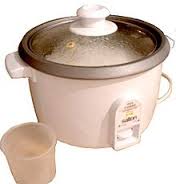
A Counter Top Grill, a rice cooker and a crock pot. These are widely available, even at thrift stores and estate sales.


You can order your vegetables through services, your local grocery store or through Community Supported Agriculture (CSA) many communities offer produce CSA's others offer anything from milk, eggs and meat CSA's check out Local Harvest for your area and see what is available. http://www.localharvest.org/ Many grocery store chains offer deliveries, or for a fee will do your shopping for you and all you do is pick it up. Some farmers markets will also provide food box services, and you can pick it up or it will be delivered. Local Harvest will allow you to find ones in your area and the services they provide. The key is FRESH plain food you prepare. Anything that is prepared, processed or "fast" means lots of chemicals, fat sugar and salt. Even the diet stuff has lots of salt and chemicals. Remember, your body does not recognize it and will get sick.

Stews and Soups are fantastic things to have on hand, and basically you put stuff in the crock pot, turn it on and go on about your day.

Black Bean Stew

2 cups dried Black Beans, rinsed
2 stalks celery chopped
1 small red onion, diced
1 jalapeno pepper, seeded and minced
1 tsp ground cumin
1/2 tsp dried oregano
1/2 tsp ground cinnamon
3 medium, roma tomatoes diced
2 garlic cloves, sliced
5 cups water
(if you eat meat, you can add 1/2 lb organic ground turkey, pork or beef)

Place all ingredients in a crock pot, turn on low, allow to cook over night. The next morning, stir and add more water if needed, then add 1/8 cup of extra virgin olive oil and 1 tsp smoked salt. When serving you can add a spoonful of organic Greek yogurt and some chopped fresh cilantro and green onions, everyone will think you are such a gourmet.


You can cook grains in the rice cooker, they turn out perfect every time. Simply assemble as you start your meal prep and by the time you are ready to eat, you will have a warm nutritious grain or pilaf prepared without you having to watch over it.

Fancy Quinoa Pilaf

1 cup red Quinoa (you can use another grain if you like)
2 cups organic chicken or vegetable broth, you can also use tomato or vegetable juice cocktail from a glass bottle (remember those pesky cans, lots of chemicals from the lining) 
1/2 cup diced onion
1 cup chopped vegetable of your choice, you can use organic frozen vegetables if you prefer
1/4 tsp garlic powder
1/2 tsp smoked paprika

Put all in the rice cooker, turn it on. When done, salt as desired and serve.


Table top grills are great for cooking meats, fish, tofu, tempeh or vegetables. Simply brush what ever you want to cook with a thin film of olive oil, put on the grill, close the lid and cook till done, which rarely takes more than 10 minutes.

Marinated Portabellas and Eggplant

Marinade: Mix 1/4 cup olive oil and 1/8 cup of red wine vinegar, add 1/2 tsp powdered garlic, 1/2 tsp red pepper flakes, 1 tsp Dijon mustard, whisk until fully mixed. Slice portabellas and eggplant into 1/2 inch slices, place in a glass baking dish, pour marinade over slices and make sure it coats the vegetables all over. Allow to sit for about 10 minutes, heat the grill, place on grill and cook for about 5 minutes, turn vegetables over and cook for another 2 - 5 minutes, removed and place on a serving plate. Sprinkle with chopped parsley or basil. (Hint, you can do this marinade will any meat, tofu or tempeh you like, if you make the marinade yourself, it will not have all that salt in it) 

I make up food for the week, including making salads,  so I can put it in containers and take with me to work. It tastes so much better, and it won't make you sick.

Enjoy,  with this kind of "fast food", you will never eat that other stuff again!

Friday, June 7, 2013

Ark of Taste, Conservation is Delicious!

I am always fascinated at how humans handle crises. Reactions range from numbing and denial through addictions or cults, violence which never accomplishes anything or alignment with the oppressor in a vain hope that this will allow them refuge from the horror. The Slow Food Foundation for Biodiversity through it's Ark of Taste and Presidia projects are some of the truly innovative and successful endeavors to actually transform our global climate change crises. Through the promotion of "food biodiversity" 


The Ark of Taste is a delightful collection of food items from all over the globe. http://www.slowfoodfoundation.com/pagine/eng/arca/cerca.lasso?-id_pg=36

The Ark is a living collection of distinctive and meaningful foods in danger of extinction. Individual Slow Food Chapters take on promotion of Ark Products through suppers, farmers market demonstrations and educational events.

The Presidia is a certification program to promote food communities, preserve cultural heritage and highlight a new agricultural model, based on quality, and  recovery of traditional knowledge and respect for seasons, human and animal welfare.


Presidias are revitalizing communities with sustainable economic bases, that have been traditionally demolished by world trade agreements and agricultural treaties.

Traditional Polish Smoked Cheeses


 Imaraguen Women's Mullet Botargo, produces smoked fish product, they harvest the Mullet with the aid of Dolphins, they sing traditional songs to signal the Dolphins off the coast of Mauritania, who then help herd the Mullet into nets.


Macedonian Wild Fig Jam Presidia has fostered cottage industry, festivals and revived local economies


Cardamom Producers from Mexico


More og Romsdal Salt Cod from Norway, now THIS is a Fisheman!


When I attended my first Terra Madre in Turin, it was during the beginning days of the global economic collapse. There were rising oil prices, food riots in poor nations, and it was anyones guess if global stock exchanges and banks would collapse. In the halls of the Terra Madre Presidia, was the solution to all the worlds problems, and it was fun, calm and delicious!

Scenes from the Presidia Market Place, this is what I call a REAL FOOD court


At the 6th International Congress for Slow Food International, we delegates were given the charge to add 10,000 products to the Ark

Here in the USA, we have revitalized our efforts to meet the challenge of adding our literal "piece of the pie" to the Ark with native and naturalized food items that span our incredibly diverse continent. http://www.slowfoodusa.org/index.php/programs/details/ark_of_taste 

Regional committees are being formed, and there is a national review board comprised of leaders in ethnobotany, agriculture and culinary communities. I am particularly moved by the efforts of the Native Nations that are helping shape our consciousness for the heritage our continent provides. 

The Bodega Potato Project from the Russian River Slow Food Chapter


When I witness the destruction of farm land and our shores through energy and gas exploration, see politicians bow to GMO multinationals, feel the ominous effects of global climate change, I gain hope and courage to go forward, knowing I have an army of farmers, chefs, cheese mongers, food preservers and fishermen all collaborating to protect our global plate. Judging by my experience, we have a very bright and delicious future ahead! For all the interviews make sure to listen to the podcast at http://www.blogtalkradio.com/real-food-empire/2013/06/07/preserving-the-worlds-most-precious-foods-slow-food-ark

Thursday, June 6, 2013

Urban Agriculture and Sustainable Cities


One of the big mantras of big corporate industrial agriculture is that the world is going to have to feed 9 billion people in 25 years. How in the, pun intended, world are we going to do this? Their answer is through industrial farming, pesticides, GMO's and to have less and less people growing more and more food. I was never good at math, but there is something about this that just does not add up. In the United States, 2% of our population is growing food for the other 98%, and the median age of those people who are growing the food is in their mid 60's. The numbers are not all that different when it comes to global statistics.

Urban planners, the United Nations and other global organizations are looking for many solutions to feed increasing populations with rapid migration to cities and dwindling farmland. I  interviewed Linda Avery, the Market Manager for the Santa Monica Farmers Market, an absolutely booming consortium of Markets in different areas of Coastal Los Angeles. I remarked that many of the farmer vendors at the markets were from the Inland Empire, why were markets so popular? She replied, "There are no farms here and people who want fresh produce and a wide selection find just what they want at the farmers market." What was interesting was that some of the farms coming to Santa Monica came from as far away as Fresno, almost 250 miles north. This is a prime example of how far food is away from most urban centers, and what is at risk if there is a disaster making travel impossible. I always have mused that speed limits are a distant dream in Los Angeles area freeways, people would LOVE to drive at the speed limit, there are just so many cars in front of them at all time, jamming up the place.

One solution to the impending food crisis that is actually a viable and sustainable  is Urban Agriculture. In simple language, Urban Agriculture is farming in the City. More complex definitions describe it as the 


practice of cultivating, processing and distributing food in, or around, a village, town or city. What is so interesting is the fact that raised beds with high intensity (smashed together plants) farming began in the suburbs of 19th century Paris, France. With so many people migrating to the city, and those donkey carts just could only go so far from farm to market, farmers started planting nearer their customer base, and wala urban farming was born. This fancy term for back yard gardening just may hold the key to solving most of what ails cities. From providing reliable local sources of food, to creating small independent businesses, improving health and access to fresh food, and lets throw in a little helping create fresh air, and what could make more sense?

Depressed cities throughout the nation are adopting Urban Agricultural plans. Former auto and steel industry centers such as Cincinnati Ohio and Detroit Michigan are burgeoning urban farm centers. Detroit in particular is a model of the post industrial economy, where abandoned houses are being demolished and job creating gardens and food initiatives are taking over the landscape.